

PIPE DREAMS
Green ambitions are bottlenecked by physical infrastructure that won't scale fast enough. Commitments can be made in an afternoon; the capacity behind them can't. While decentralized efforts offer localized workarounds, meeting ambitious sustainability goals still depends on scaling the central "pipes" of our core macro-grid.
→ Reuse and repair economies stall without physical infrastructure to collect, clean, and redistribute materials at scale.
→ Supply chain disruptions linked the green transition to energy and material independence, thereby accelerating overall political support and investments in green infrastructure.
→ Like Europe and North America, India is building renewables faster than its grid can move them, forcing clean energy to go to waste.
→ Solar microgrids with batteries reliably power underserved areas or islands, often as community-owned cooperatives. But they cannot scale to meet heavy industrial demands.
Pockets of the Future
Explore where this signal is already showing up
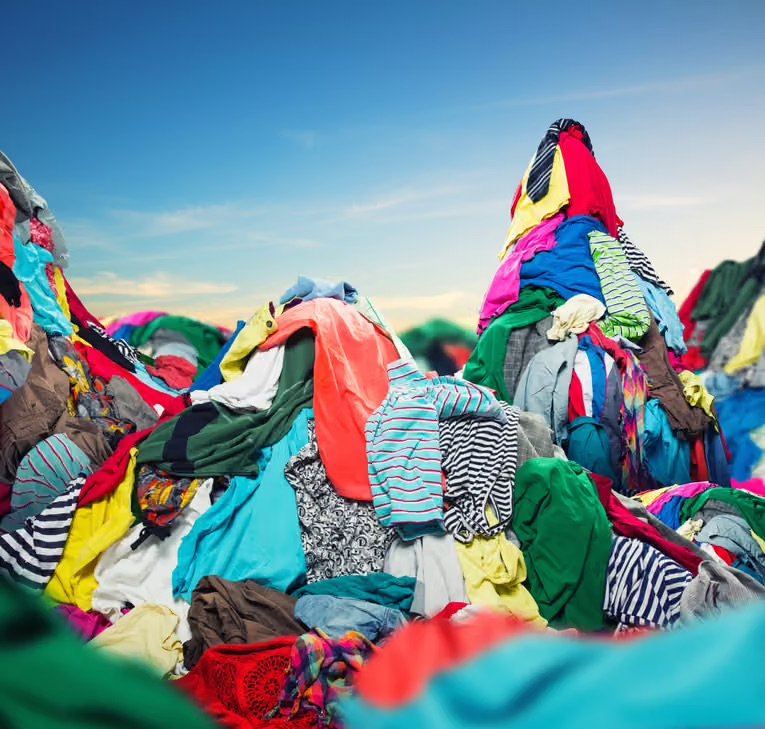
Clothes with nowhere to go: Europe throws away 13.3 million tonnes of used textiles a year, yet less than 1% is recycled into new textiles because so little gets collected and sorted.
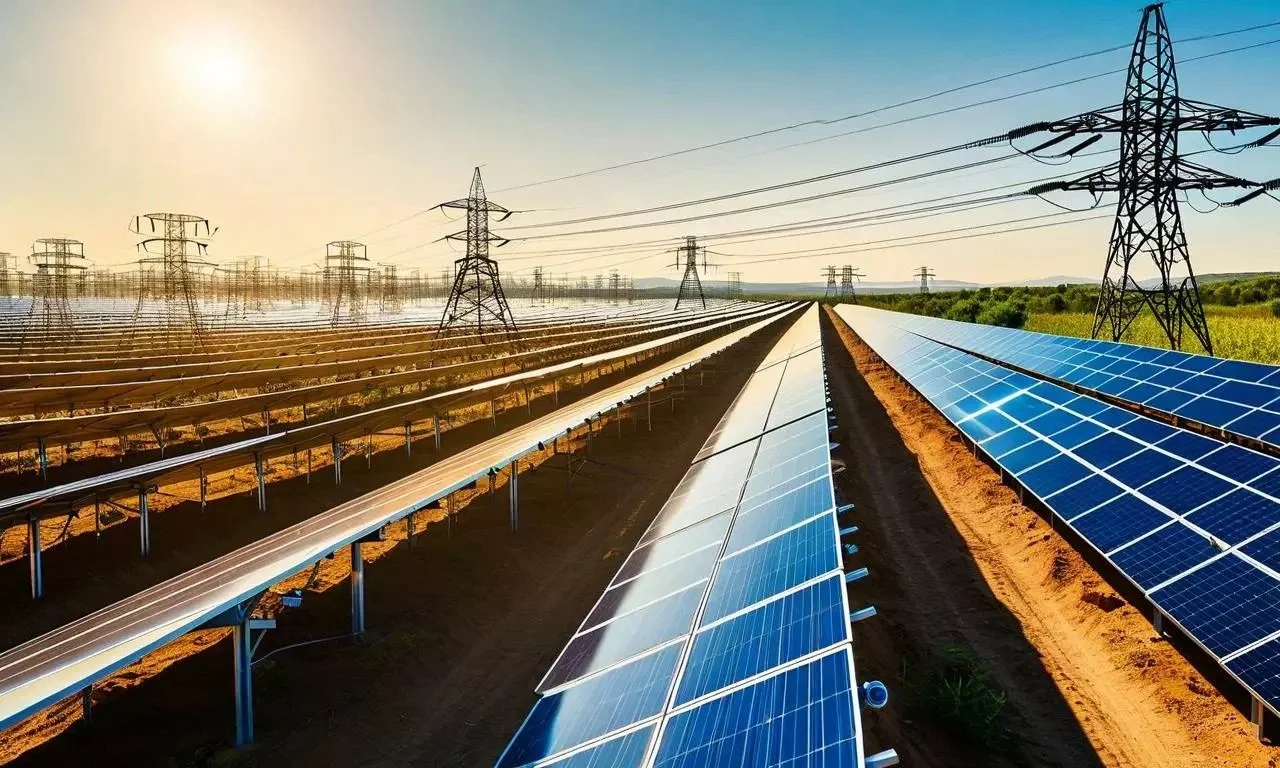
Power with nowhere to go: India held back 8,1 GWh of solar power from April to June 2026, as new plants came online faster than the transmission lines to carry their power.
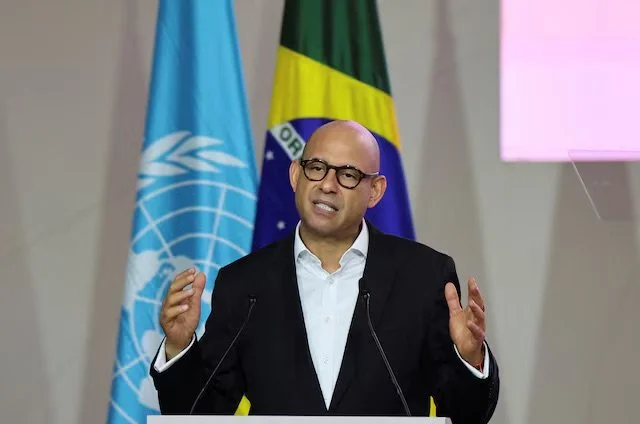
Crisis as catalyst: the 2026 Iran war’s oil shock pushed countries toward renewables and EVs as a matter of energy security and independence.
Source: NPR: ‘Iran war supercharges pivot to renewable energy,’ June 2026
Image: Reuters.com
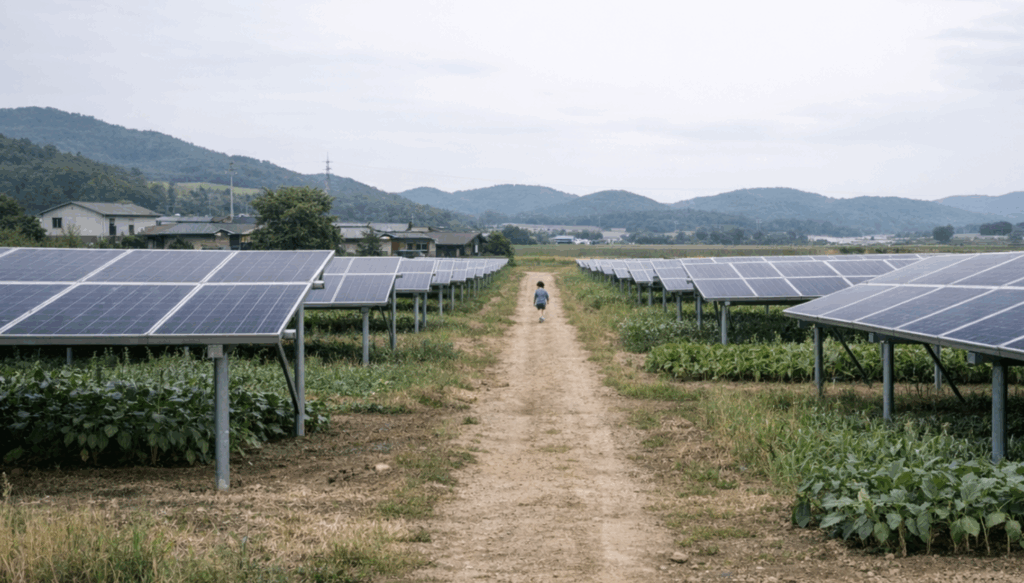
Village power: South Korea plans 2,500 community-owned village solar cooperatives by 2030, though the government names grid connection as the program’s biggest obstacle.
Source: PV Magazine: ‘South Korea targets 2,500 community solar cooperatives by 2030,’ March 2026
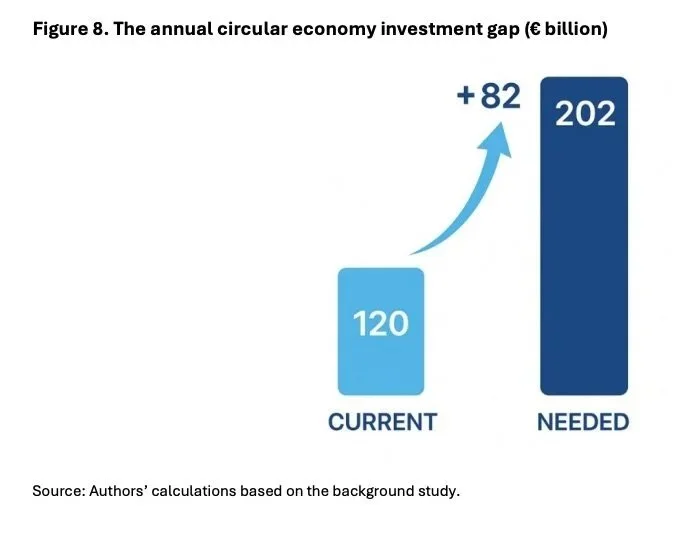
The missing middle: the EU must invest €82 billion more a year to go circular, with over a quarter of that gap in collection networks, sorting centers and recycling plants.
Source: European Investment Bank: ‘Transitioning to a circular economy,’ 2026