
OLD KNOWLEDGE, NEW PROBLEMS
Western science's monopoly on answering the hard questions is eroding. Methods used centuries ago to handle bad years are proving useful for what looks unsolvable today. What kept ancestral knowledge out was never a lack of evidence, but who was allowed to be an expert. Either way, old is not the same as outdated.
→ Indigenous land management and food systems are gaining scientific validation, with researchers confirming what practitioners have known for generations.
→ Permaculture, mycology, and traditional farming are finding serious new audiences as industrial agriculture shows its limits.
→ Intergenerational and elder knowledge is entering design and policy conversations as a genuine resource rather than a heritage exhibit.
→ The spectrum from peer-reviewed to ancestral is being treated as a toolkit rather than a hierarchy of credibility.
Pockets of the Future
Explore where this signal is already showing up
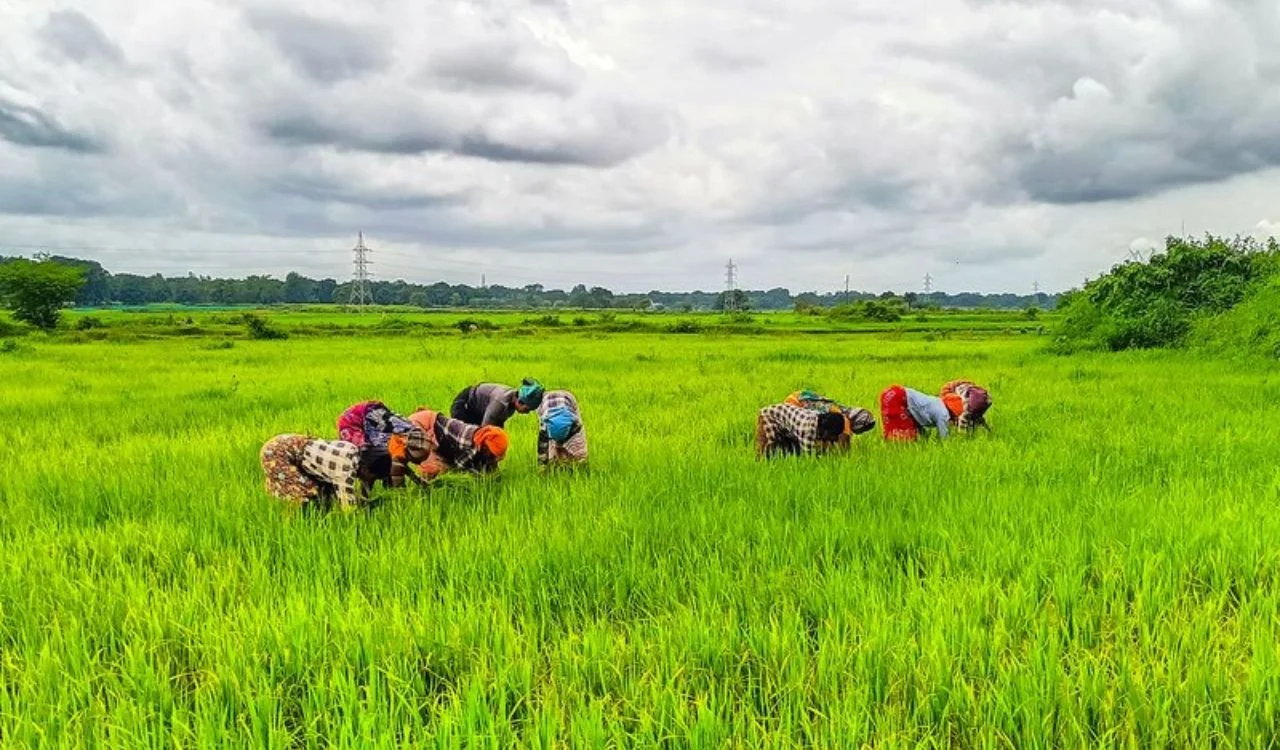
Back to the roots: over 1.8 million Indian farmers have joined a government natural farming drive, a chemical-free approach anchored in traditional knowledge.

Two-eyed seeing: Mi’kmaw Elder Albert Marshall’s framework, pairing Indigenous and Western knowledge, is shaping community climate action in Canada.
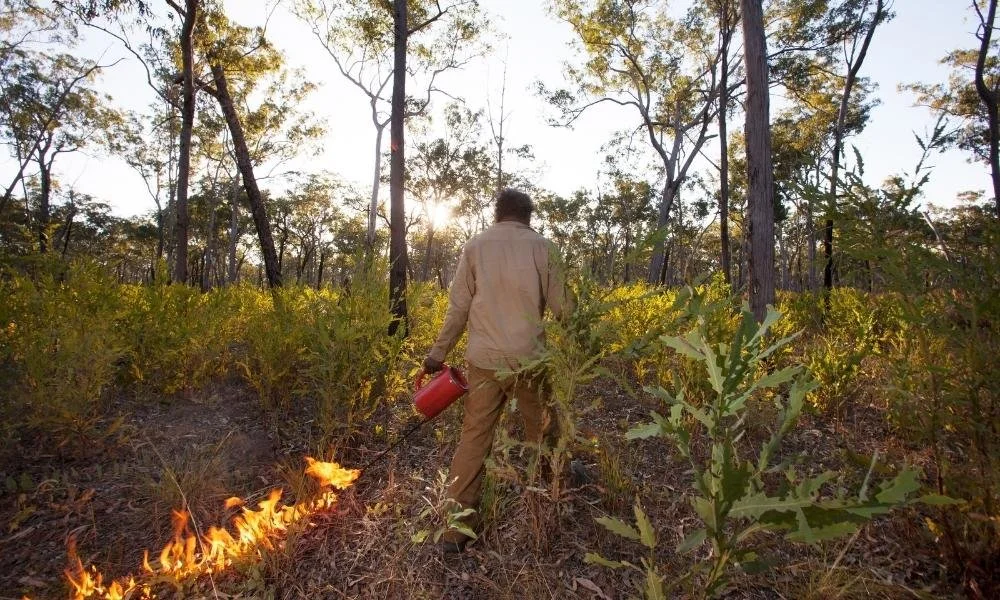
Burning, the old way: a study by Banbai Indigenous rangers and scientists in Australia found that controlled burning cut fuel loads and helped trees a regenerate.

Science, broadened: the UN’s climate science panel is working out how to weigh Indigenous and local knowledge alongside standard science in its next major report.
Source: University of Reading: ‘How diverse voices are transforming the UN’s climate science,’ Feb 2026