
CITIES FIT FOR LIFE
Many cities are becoming unlivable, built for a climate that no longer exists. Heat, flooding, and bad air are now chronic hazards, not one-off emergencies. The short-term response is retreat into sealed, air-conditioned interiors, whatever the cost. Longer term, the cities that last will be retrofitted inside and out as infrastructure for life.
→ Urban rewilding, green corridors, and mandatory tree canopy are entering standard planning requirements as cities reckon with heat and biodiversity loss
→ Shade, water, and cooling are being planned and funded as public utilities, like transit or sewer systems.
→ Cooled tunnels and sky-bridges are spreading, letting people cross whole cities without going outside during extreme heat or cold.
→ In China, misting systems on high-rises spray the city streets below, cooling the air by several degrees.
Pockets of the Future
Explore where this signal is already showing up
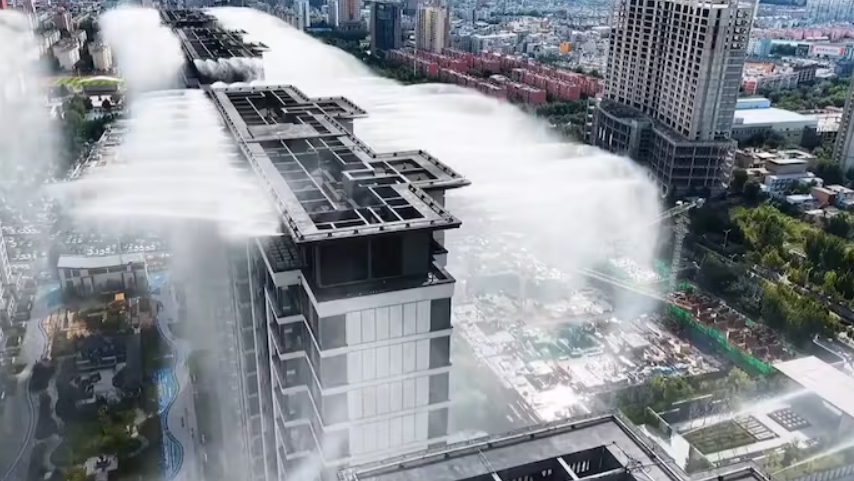
Cooling on demand: rooftop misting systems on high-rises in Yuncheng, northern China, can cool the streets below by 5–8°C during heatwaves.
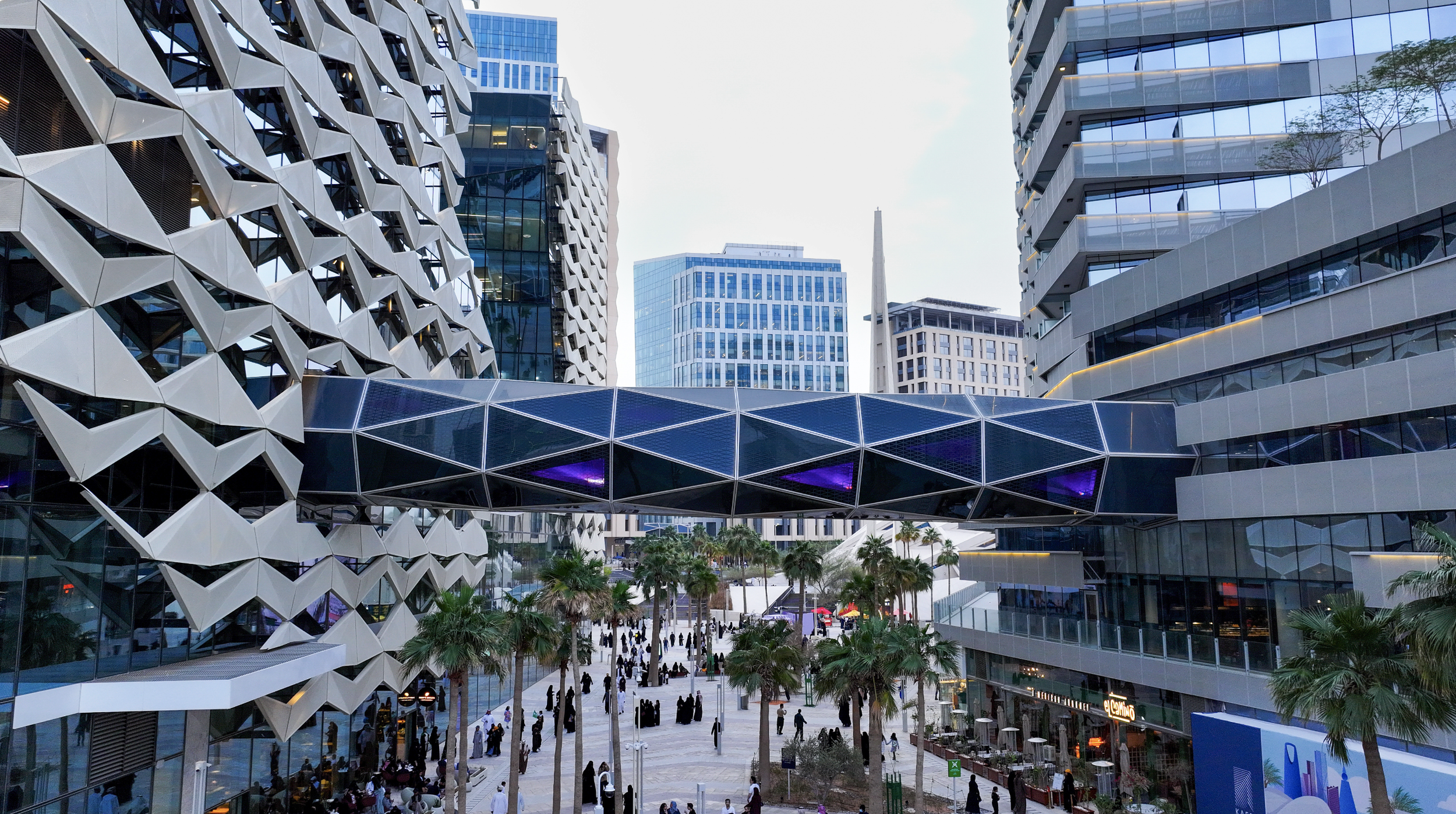
Walking above the heat: Riyadh’s financial district opened a 15.5 km climate-controlled skyway in 2025, the world’s longest, letting people cross the district without stepping outside.
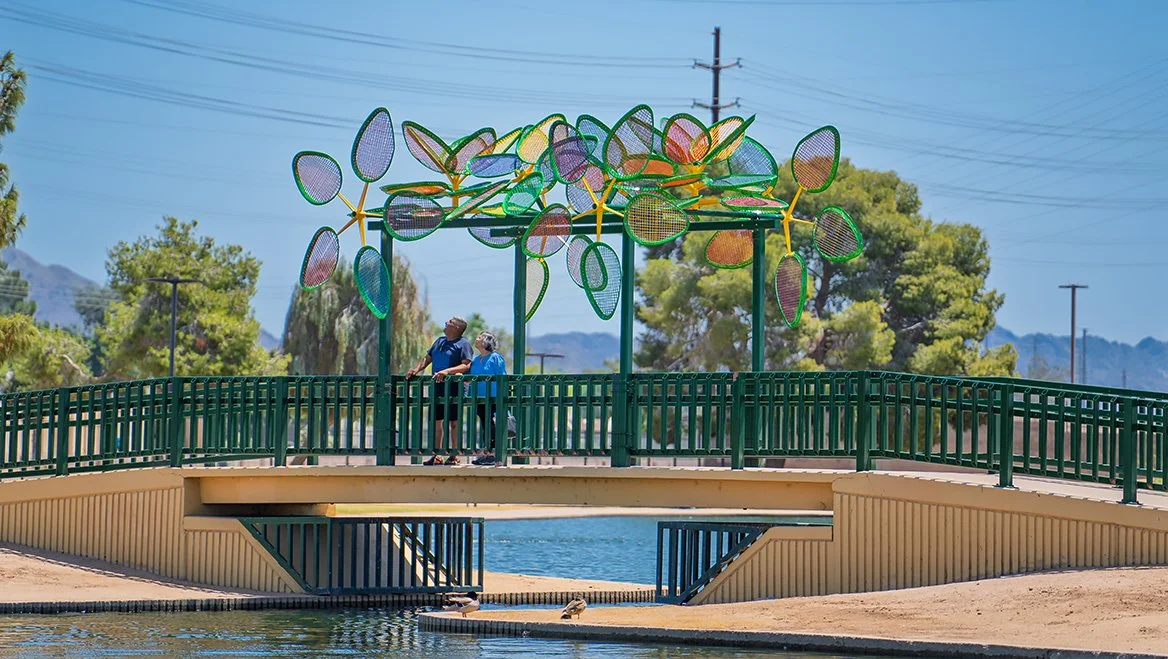
Shade as a utility: Phoenix’s first-of-its-kind “shade plan” treats shade like water or power, with built shade at bus stops and “cool corridors” prioritized for the hottest neighborhoods.
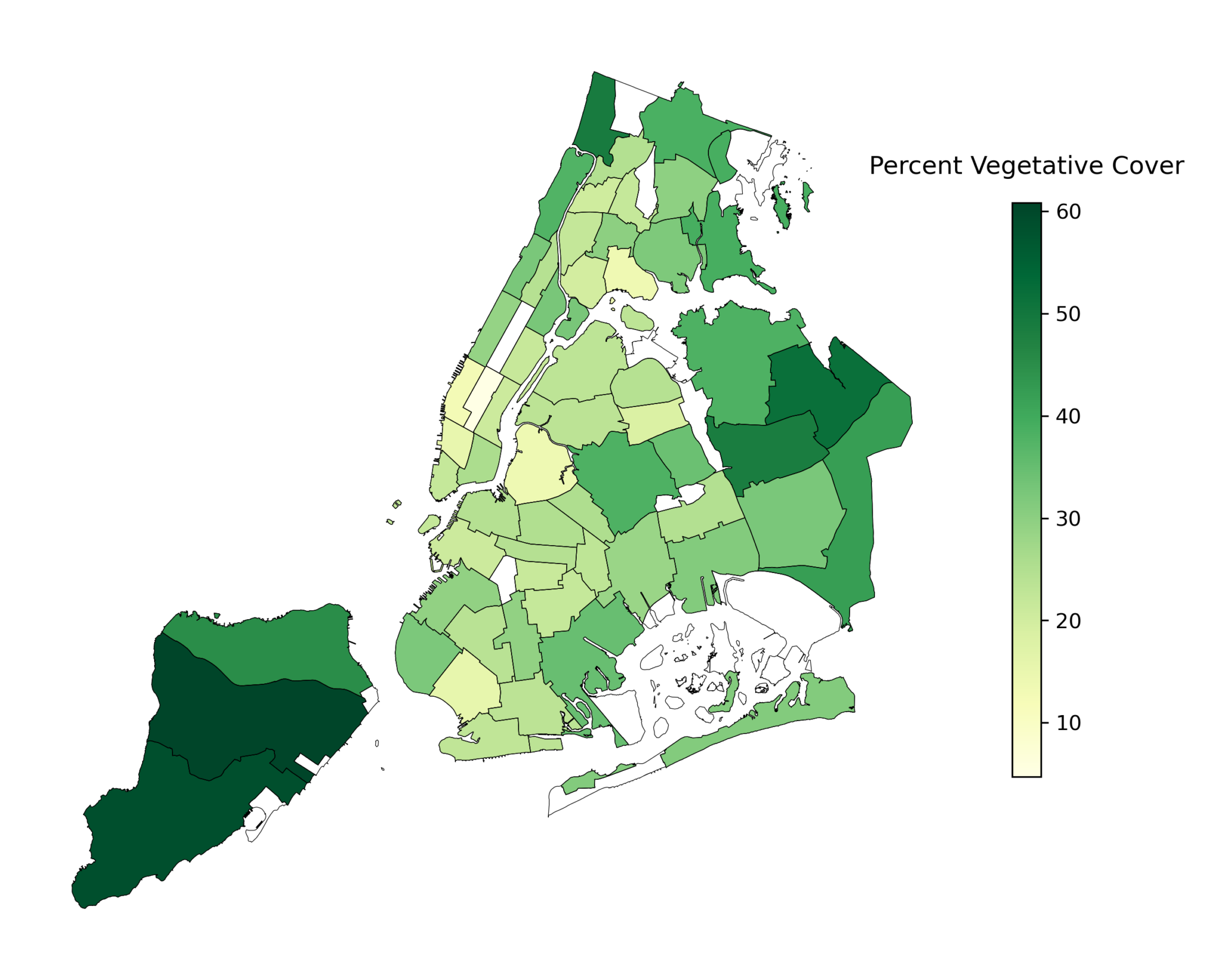
Trees as infrastructure: New York’s 2023 law set a 30% tree canopy goal, and a 2026 city report calls trees essential infrastructure for heat resilience, not an amenity.