
PREMIUM TIER BASICS
The cost of living crisis has turned basic needs into luxuries. People now spend everything they have just covering the minimum, with nothing left for the milestones defining a decent life. If the future is priced out of reach, saving for it stops making sense. Basic went premium, and nobody approved the upgrade.
→ Doom spending is a rational response: when the future feels structurally inaccessible, spending on present pleasure is a logical adaptation, not a character flaw.
→ Access to green space, clean air, and quiet is increasingly a function of income and zip code.
→ Homeownership has shifted from a life stage to a generational achievement, with renting forever now the default reality for vast swaths of housing markets worldwide.
Pockets of the Future
Explore where this signal is already showing up
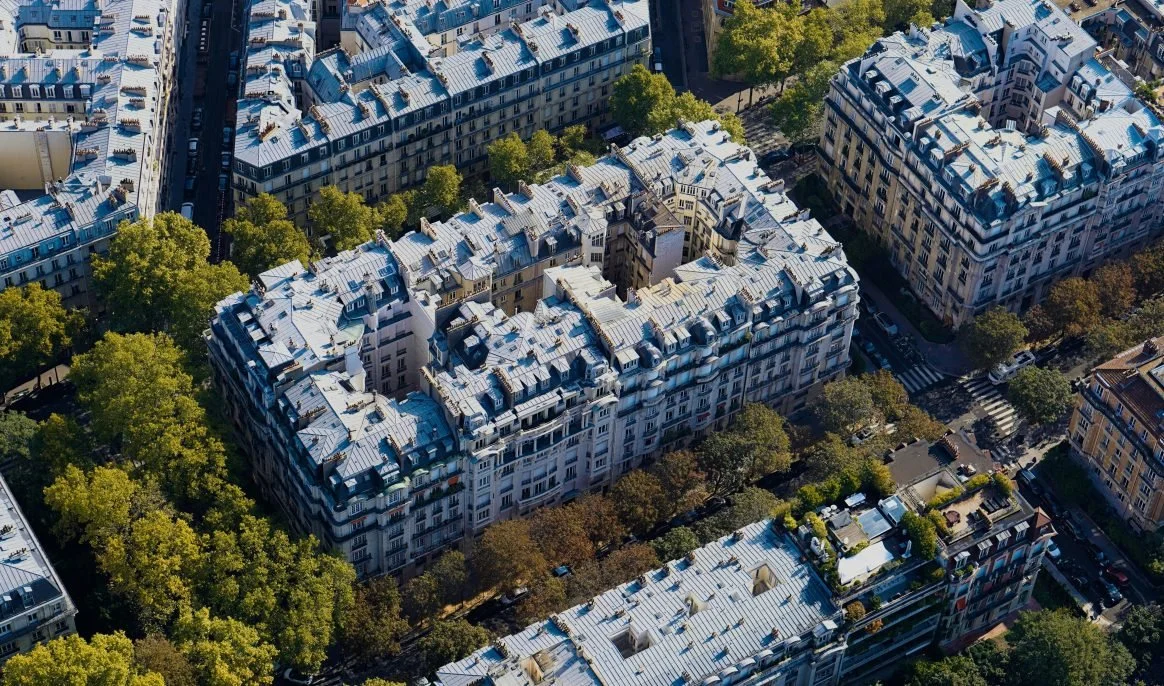
The green divide: fewer than 15% of people in 862 European cities have proper access to trees, shade and green space, with wealthier residents far more likely to have it.
Source: ECEEE: ‘Access to trees is becoming a luxury in European cities,’ April 2026
Image: The Global Money
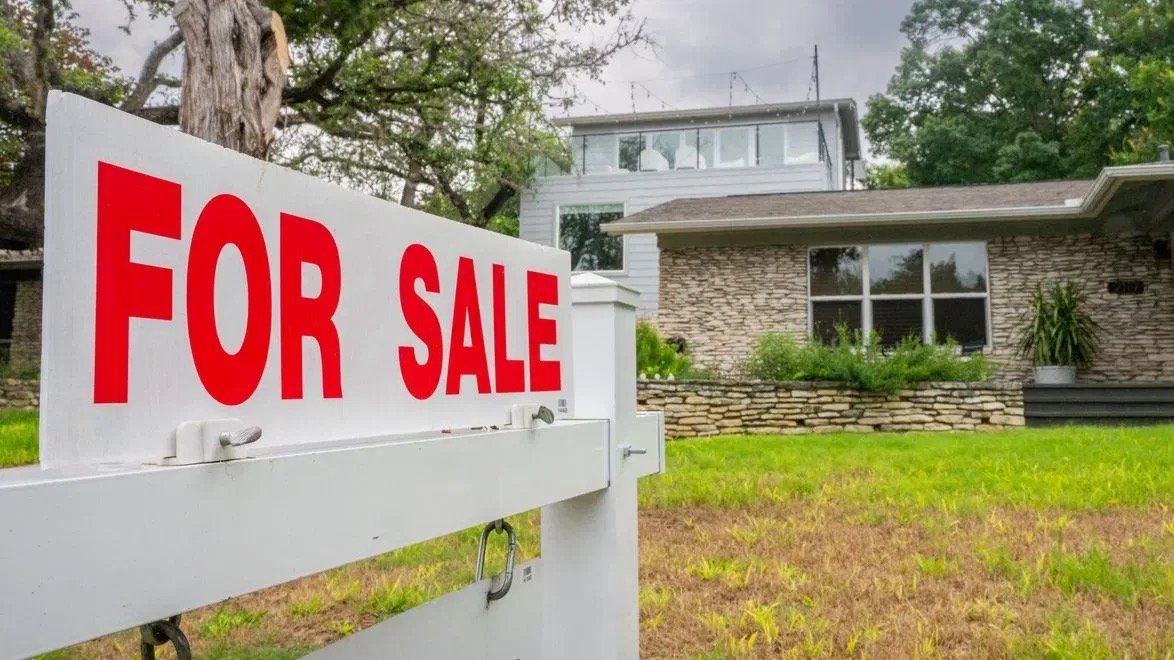
Home at 40: the typical US first-time homebuyer was 40 years old in 2025, up from 28 in 1991, as first-time buyers’ share of the market hit a record low.
Source: Newschannel9: ‘The big four-oh: Typical age of first-time homebuyers hits record high,’ Nov 2025

Small treats, big worries: seven in ten consumers worldwide now buy themselves small rewards to cope with financial stress, and nearly half of Germans do the same.