
EXPERIMENTAL BUSINESS
Businesses used to spend years perfecting a product, locking themselves into a costly, rigid process. AI makes continuous prototyping cheap enough to try ideas before committing to one. What gets released is a current iteration, phased out the moment it doesn't hold up. Even the business itself is another experiment in adapting.
→ AI-driven overhead reduction makes it viable to launch, test, and close ideas at a speed and cost that were previously impossible.
→ By embedding AI across functional units, companies gain the ability to become operational shapeshifters as rigid structures dissolve and give way to agility.
→ "Brand sunset" strategies are on the rise, with companies deliberately killing products rather than defending them.
→ Startups are shifting to multi-launch models, deploying several small experiments rather than one all-in product.
Pockets of the Future
Explore where this signal is already showing up
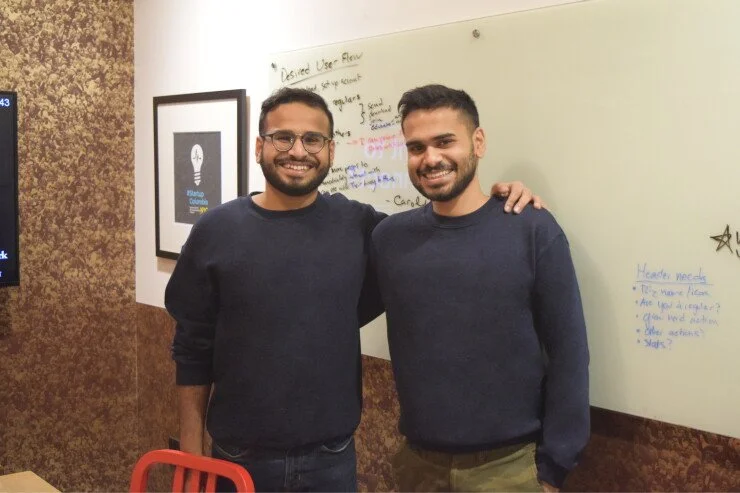
30 days to decide: AI studio Attack Capital gives each new product idea one month to prove itself before it’s scaled or shut down.
Source: Yes Press: ‘Kaushik Tiwari Is Turning a Failure Resume Into a Venture Studio,’ Aug 2026
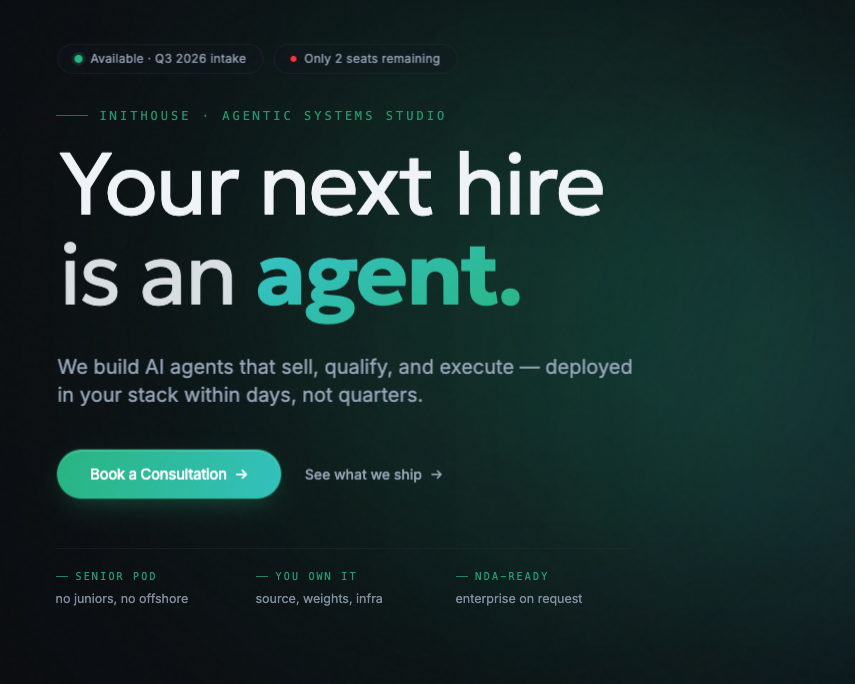
Sixteen bets at once: the founder of Inithouse runs 16 live products in parallel, each built in two to three days, betting that at least one will take off.
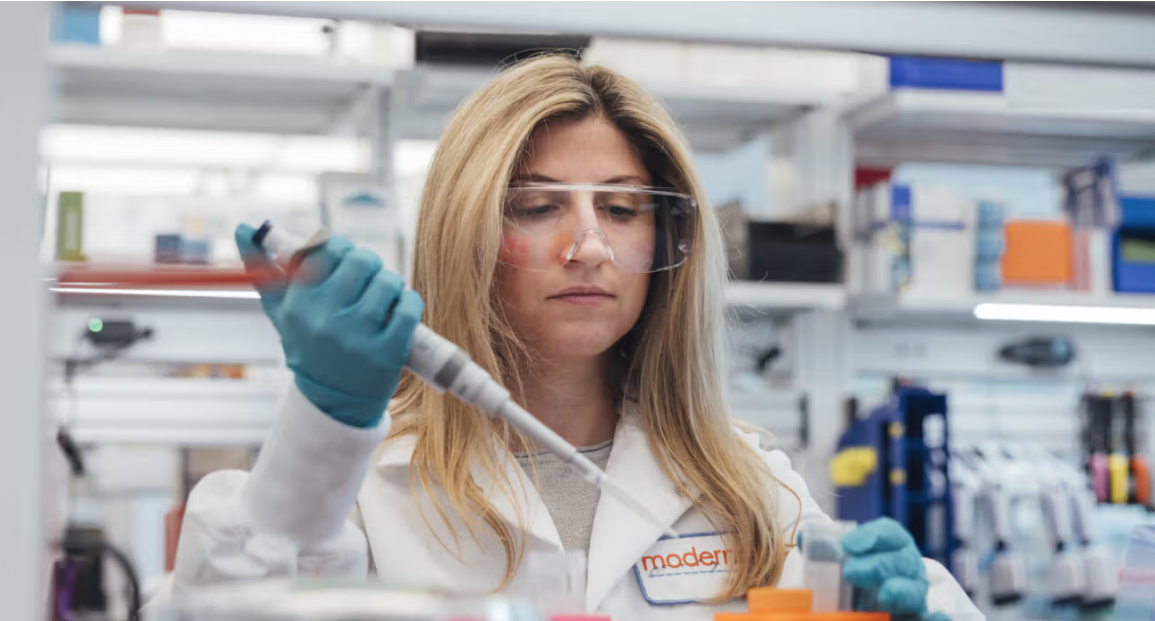
HR meets IT: Moderna merged its HR and tech departments under one leader, redesigning teams around what people do best and what AI can handle.
Source: Unleash: ‘Why Moderna merged HR and IT to better ‘architect the flow of work,’ June 2025
Letting go of icons: Unilever sold off Hellmann’s and Knorr to focus on beauty, a year after spinning off Ben & Jerry’s and Magnum.
Source: Axios: ‘Unilever to sell food business to McCormick,’ March 2026