
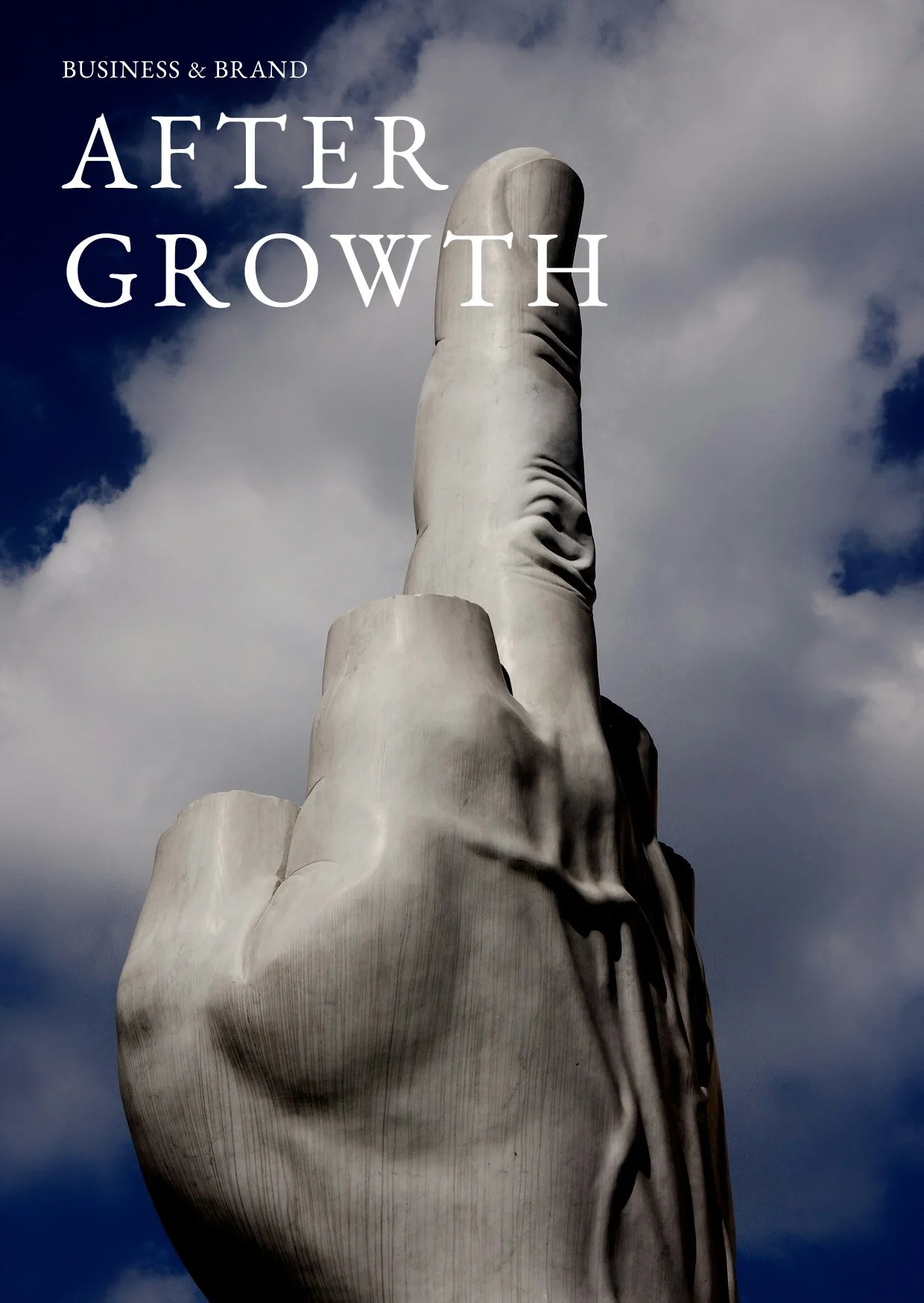
AFTER GROWTH
Growth-at-all-costs has hit the wall of planetary limits. People are searching for an economics that works with what the planet can give and take. The economy was never separate from nature, and the systems thinking that always knew this is suddenly setting the agenda to get over the delusion of endless growth.
→ Permaculture is crossing from land management to political philosophy, highlighting the overlap between ecological and systemic thinking.
→ Doughnut economics and degrowth are entering policy conversation in cities and regional governments.
→ The commons is being rediscovered as a governance model, with new institutional experiments testing what collective stewardship looks like at scale.
→ A new generation of economists, ecologists, and systems thinkers are converging on frameworks that treat planetary limits as the starting point.
Pockets of the Future
Explore where this signal is already showing up
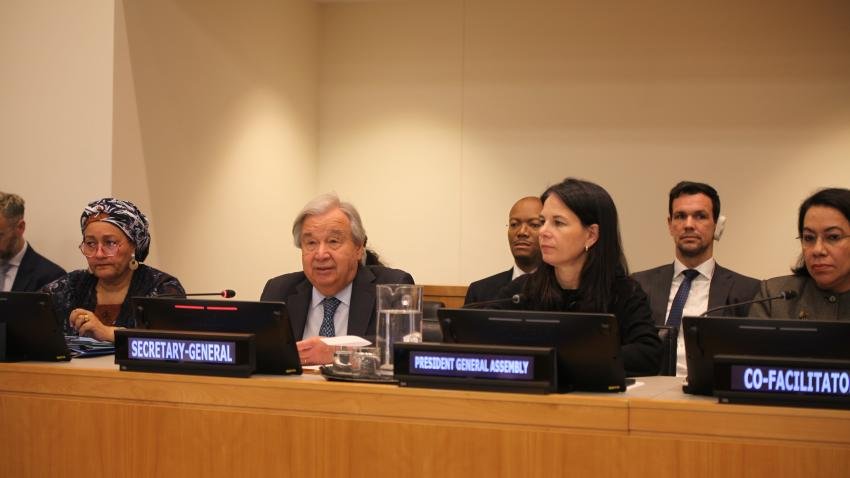
Beyond GDP: a UN expert group of economists and statisticians proposed 31 indicators to measure progress alongside GDP, with planetary boundaries built in as a foundation.
Source: UN: ‘United Nations proposes new global dashboard to measure progress beyond GDP,’ May 2026
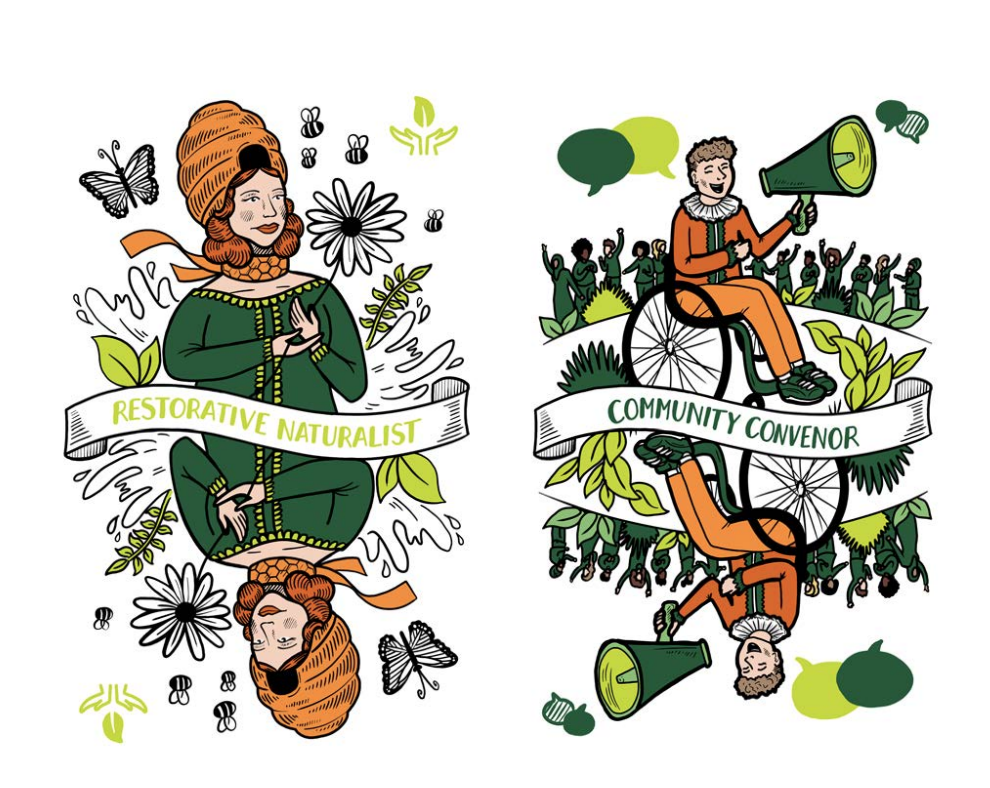
From garden to governance: the World Design Organization calls permaculture “the end of extractivism,” urging its principles be applied to city planning and policy, not just farming.
Source: World Design Organisation: ‘Permaculture & the end of extractivism,’ 2024

The city as commons: Italian researchers are testing how communities can be co-run by residents and city hall as models for urban governance.
Image: Commoning
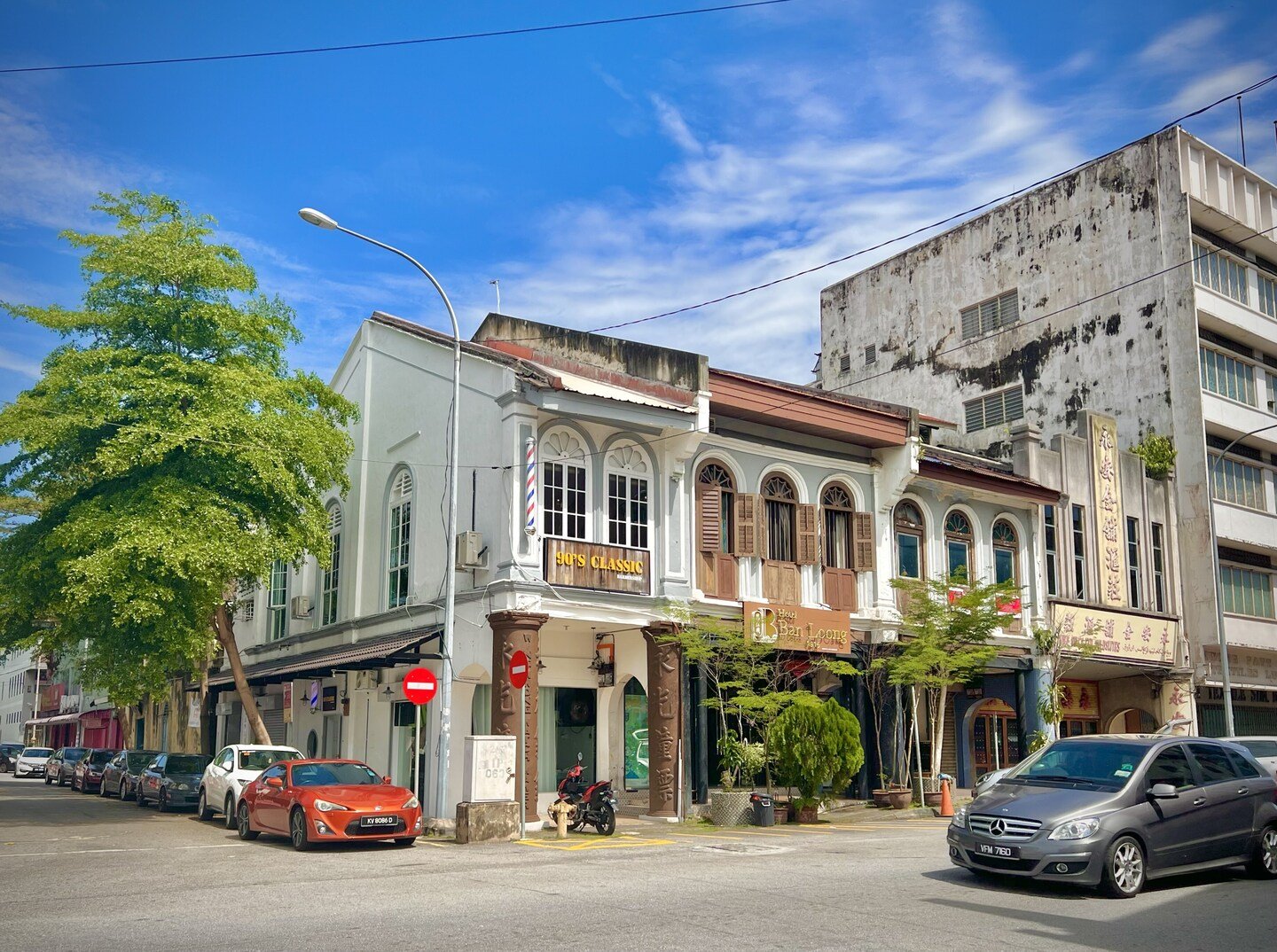
The doughnut goes east: after Amsterdam and Brussels, the Malaysian city of Ipoh is using doughnut economics to guide its regeneration, balancing social needs with ecological limits.