
THE CONSENT GAP
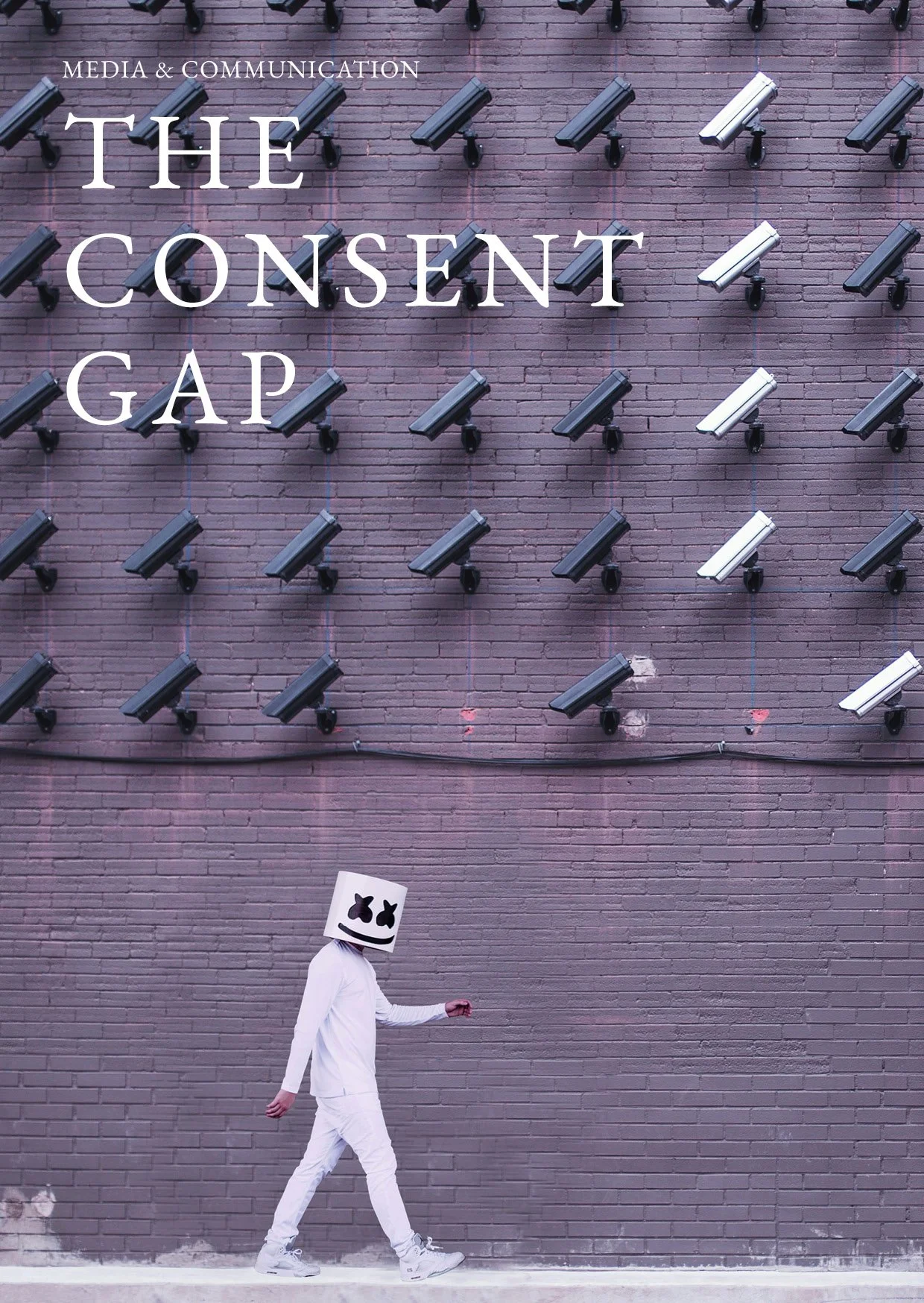
New technology can now identify or expose anyone, and generative tools can fabricate their likeness, without asking first. Neither law nor platform policy has caught up, and by the time it does, the damage is already done. People are left with a stark choice: live defensively under the radar or remain exposed to lawless manipulation.
→ Harvard students exposed how defenseless the public is against wearable surveillance by integrating real-time facial recognition into off-the-shelf smart glasses and identifying strangers in seconds.
→ Non-consensual deepfake content remains largely unaddressed by law, with most platforms removing it reactively rather than preventing it at the source.
→ The legal infrastructure for image rights in the AI era is essentially nonexistent, leaving individuals with no meaningful recourse.
→ Growing scrutiny of parents who share and thus expose their children's personal lives reflects shifting attitudes and behaviors.
Pockets of the Future
Explore where this signal is already showing up
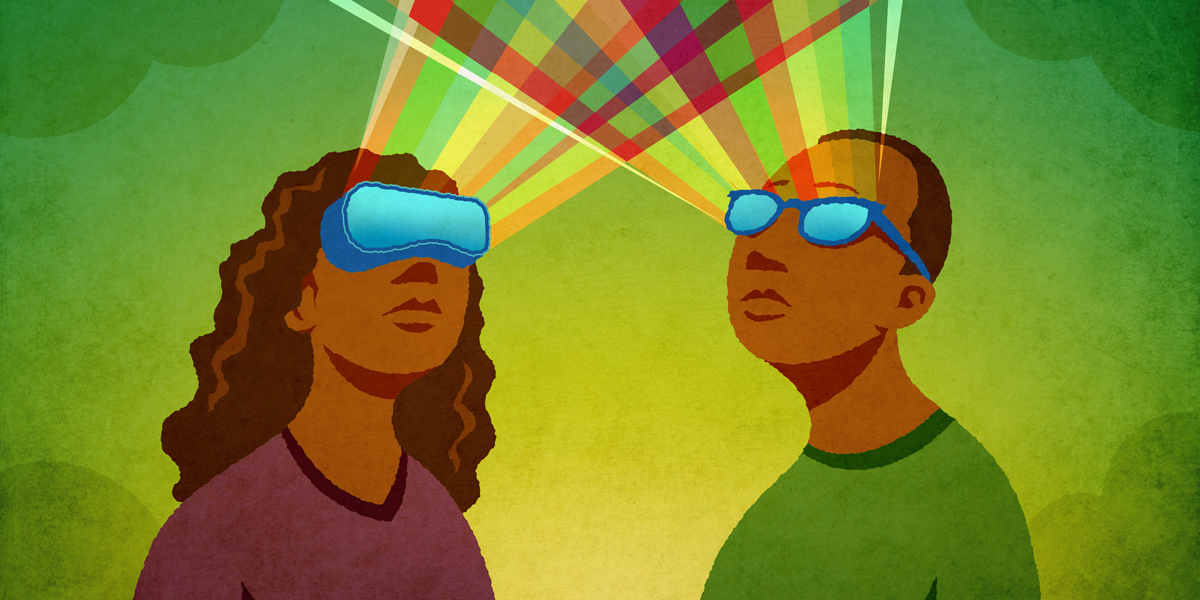
Faces on file: in 2026, Meta was caught hiding facial recognition code in its smart glasses app, removing it only after public outcry.

A lone landmark decision: Denmark is the first EU country to give people rights over their own face and voice.
Source: Verfassungsblog: ‘Copyrighting Voice and Image,’ March 2026
Image: Euronews
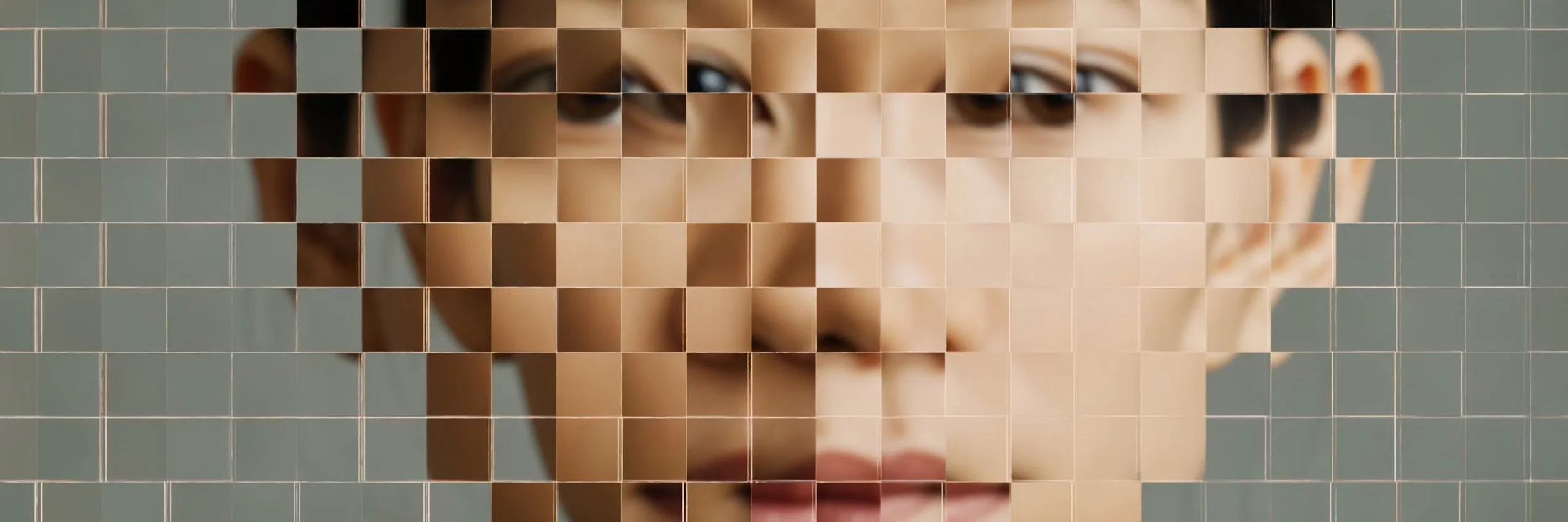
Labeled, not stopped: EU law now requires deepfakes to be labeled, but critics warn this may make unlabeled fakes harder to spot.

Think before you post: UK police advised parents not to share children’s photos publicly, as AI-generated child abuse images rose 14% in 2025.
Image: IWF