
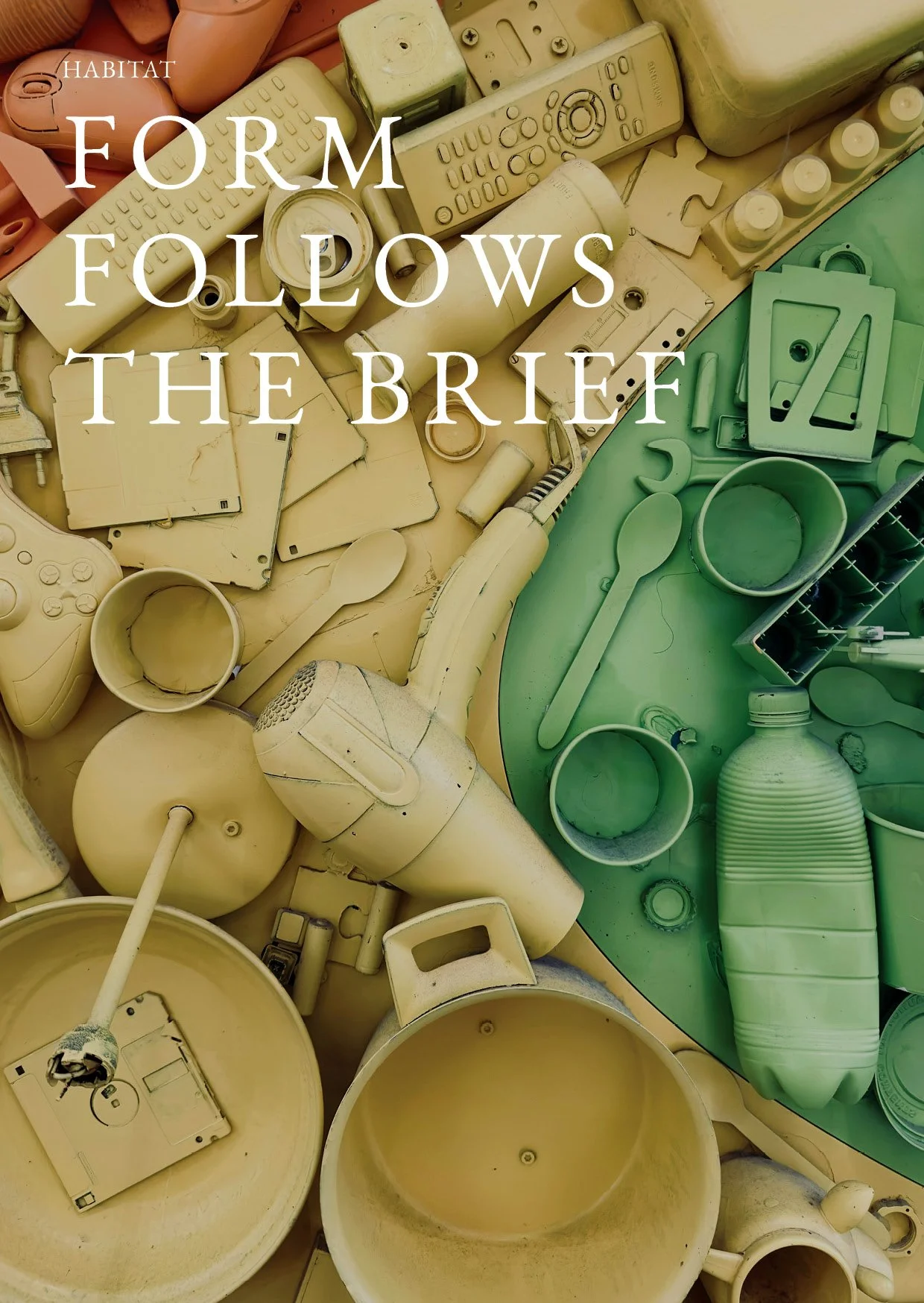
FORM FOLLOWS THE BRIEF
To stay on the market, products must show their work. How something is made, where it comes from, and what it takes from the planet are increasingly visible in the form itself. Compliance used to be the last check before production; now it writes the brief. In time, nothing on the shelf will get to hide its true cost.
→ Furniture and interiors show the eco-conscious processes that made them as a design feature.
→ More buildings are letting energy use and material sourcing decide their form.
→ Products are being built to be disassembled, so they can be repaired, even reused, rather than replaced.
→ Planetary boundaries are shaping aesthetics, with carbon budgets and material limits seen as a generative constraint, not a compromise.
Pockets of the Future
Explore where this signal is already showing up

Built to open: from February 2027, every smartphone sold in the EU must have an easily replaceable battery, with spare parts available for seven years.
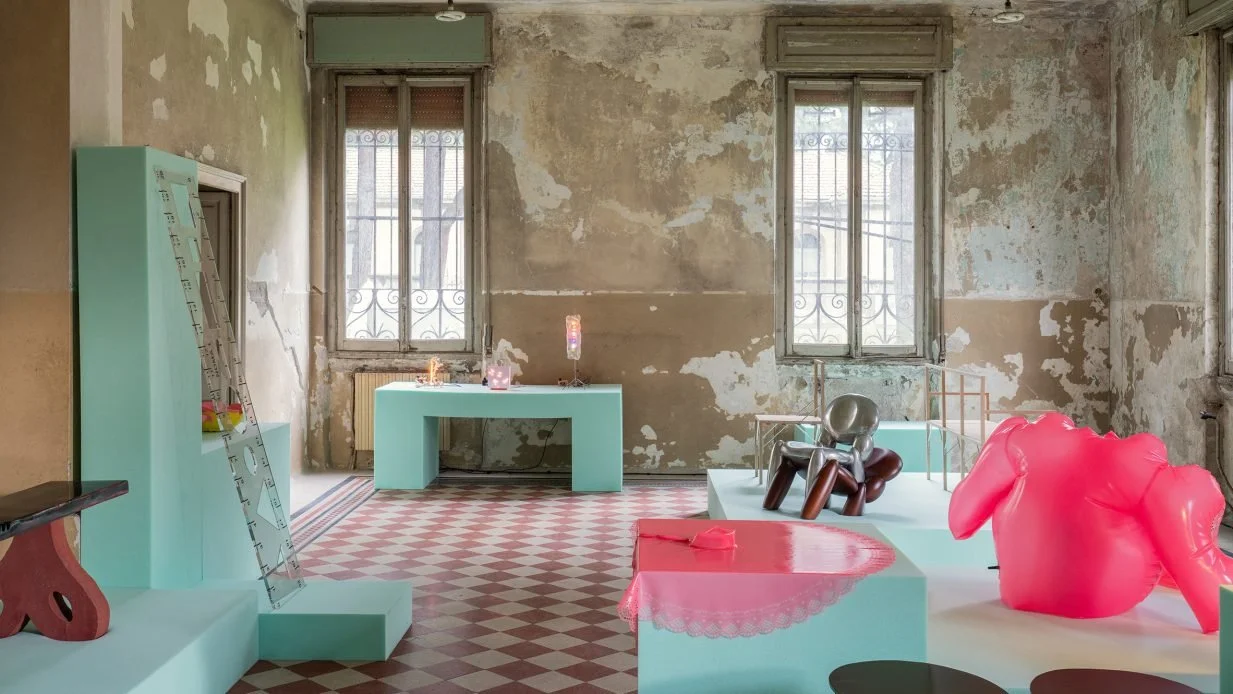
Waste, on display: at Milan Design Week 2026, Slovenian studio Toasted Furniture showed vessels made by heating plastic waste until soft enough to shape by hand.
Source: Dezeen: ‘House of Creatures exhibition brings together design misfits in Milan,’ April 2026
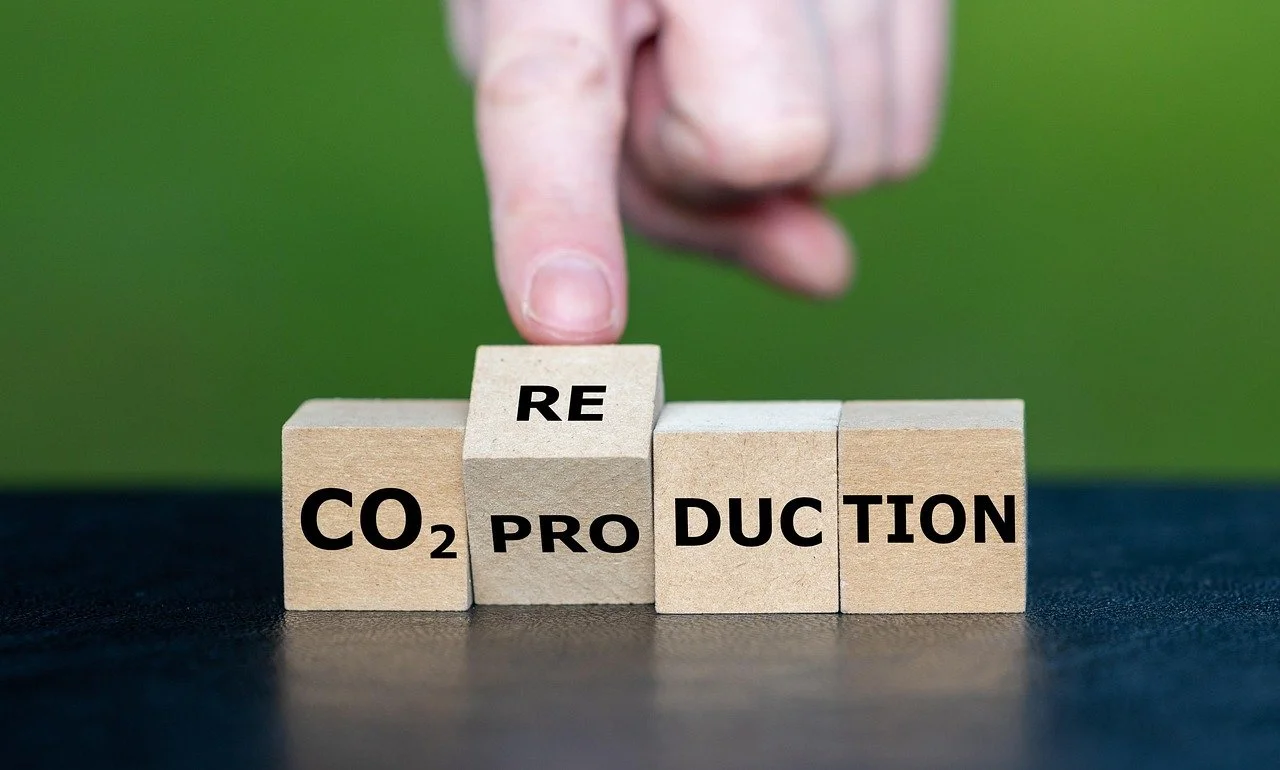
Designing to a budget: Denmark now caps the lifetime carbon of almost every new building, pushing choices like timber versus concrete to the very start of design.
Source: The Civil Engineer: ‘Denmark phases in stricter CO₂ emissions rules for building sector,’ Nov 2025
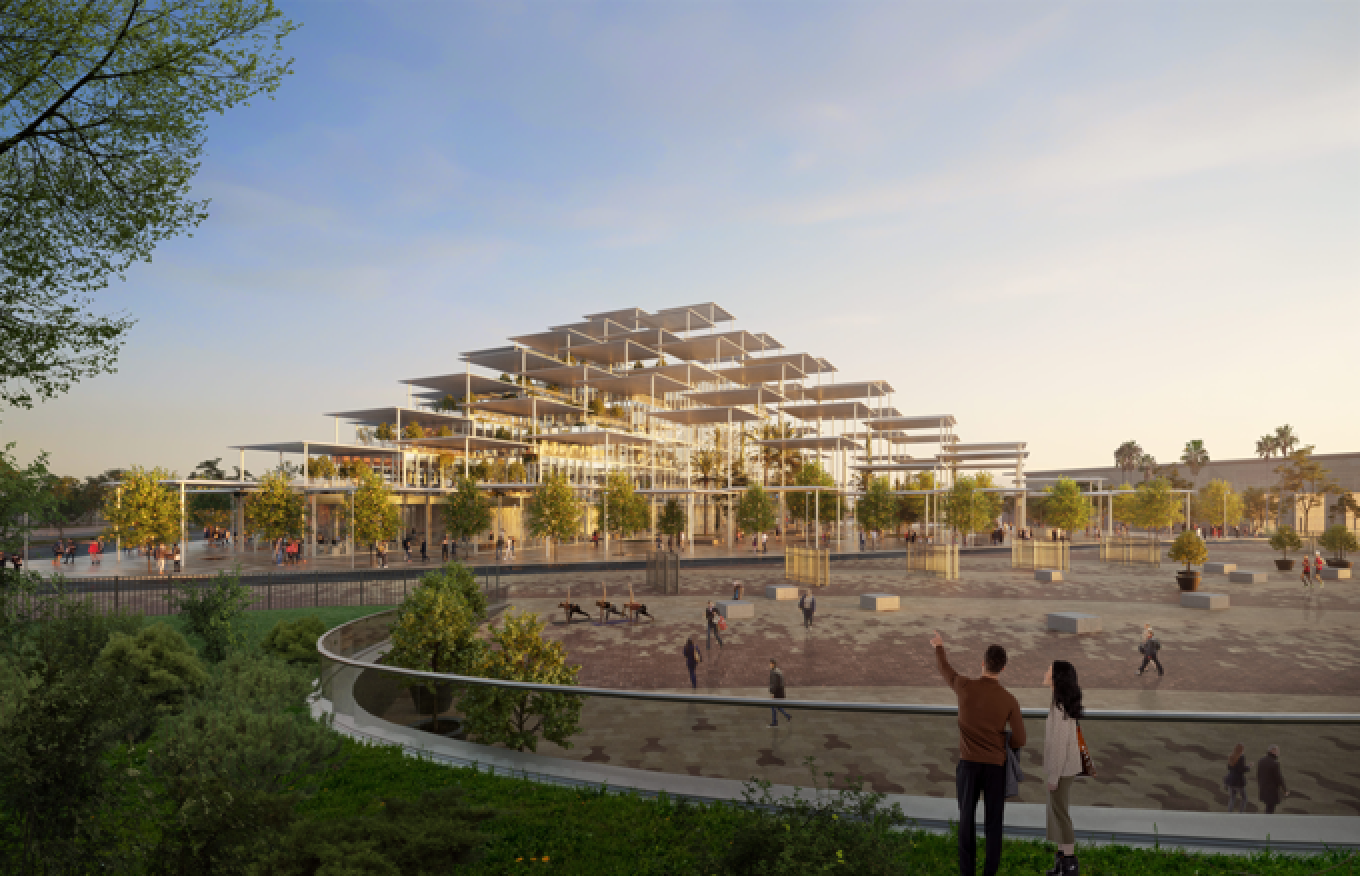
Shaped by the sun: BIG’s design for the EU’s first net-positive energy building in Seville lets its solar performance drive the form, a cloud of solar canopies built from local limestone, wood and ceramics.
Source: European Union: ‘New European Bauhaus-inspired future JRC site in Seville,’ 2025